
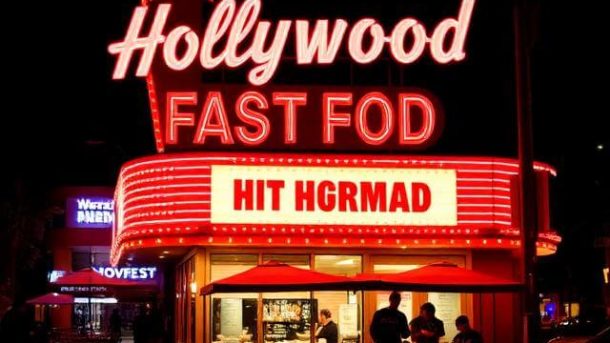
Hollywood and the Fast California Food We Are All Eating
Hollywood has been for a long time a molding agent for global culture, affecting trends of fashion, language and lifestyle habit through generations. Of all its cultural exports, fast food has a surprising gravitational pull. From neon-lit diners in classic films to drive-thru scenes in contemporary tentpoles, fast food has become an indelible element of American life — and the cinematic story. The connection between Hollywood and fast food is more than just product placement. It mirrors social habits, nostalgia, youth culture; it even taps into deeper narratives around identity and convenience in contemporary life.
Iconic Hollywood fast food is many things, and hamburger and fries are admittedly just a part of it. It was a collective cultural memory built over decades of film, television and celebrity influence. Whether audiences witness their favorite characters bonding over milkshakes or going for late-night snacks after a dramatic moment, these moments have helped turn everyday meals into storytelling superpowers.
How the Fast Food Industry Took Over America
Birth of a Fast-Food Revolution
The development of the fast food industry in mid-twentieth century America coincided with the expansion of U.S cities and the proliferation of cars. Drive-in restaurants and roadside diners provided cheap, quick meals for families on the go. Hollywood, ever interested in chronicling everyday American life, soon folded these institutions into movies and TV shows.
Directors turned diners and fast food counters into familiar, relatable locations where characters could meet, argue, celebrate or reflect. The simplicity of the environment allowed audiences to focus on dialogue and emotion while still feeling connected to a real world.
Almost immediately fast food became (and still is) a sign of modern life, embodying an on-the-go way of life in sync with the rapid pace of urban America. As movies were distributed to audiences off American soil, they disseminated the image of American fast food culture globally.
Hollywood’s Role in Promoting Fast Food
Hollywood didn’t just reflect fast food culture; it actively encouraged and exaggerated it. Movies regularly featured colorful packaging, flashy signage and busy restaurant interiors that made fast food look sexy, accessible. The images left a strong impression on audiences, particularly among younger people.
Actors and actresses were often seen in scenes munching on burgers, French fries and milkshakes, making the foods look desirable and aspirational. As movie theaters competed with televisions and computers for attention, the link between entertainment and food was further cemented, creating a feedback loop through which cinema shaped consumer habits — and subsequent fast food brands embraced their cinematic identity.
Fast Food as a Narrative Device
Casual Spaces for Meaningful Conversations
In many a film, not just Kevin’s, the fast food restaurant is a setting for essential character development. This softer setting opens up space for characters to lower their shields, and we slowly get real talk. Unlike the more formal dining rooms, fast food venues have a sense of spontaneity and authenticity.
A scene at a diner counter or fast food booth is often shorthand for the revelation of something important in cookbooks—historically or otherwise. Characters share secrets, discuss moral choices, or just reflect on life over soda and fries. These settings offer intimacy within the broader story.
Fast food being easily accessible also stands for equality. A rich guy sitting hip to hip with a poor guy can still sit down and eat the same burger and fries. That universality is what allows filmmakers to also connect audiences with characters who might be very different from them.
Humor, Drama, and Everyday Life
Scenes involving fast food often inject comedy and relatability. A character struggling to hold onto a messy burger in a tense moment or accidentally splattering soda during some emotional scene brings an authenticity that viewers appreciate.
The ordinary fast food setting against emotion welters can be particularly powerful in dramatic films. The mundane setting captures the gravity behind the discussion being held, adding power to the exchange.
Hollywood’s done this enough that it’s a memorable cinematic experience.
Hollywood Fast Food: The AestheticOf Hollywood Fast Food
Neon Lights and Retro Diners
In Hollywood, visual style has a huge influence on how fast food is depicted. Charming diners with chrome countertops, whirling stools and neon-lit windows became a staple in cinema. These spots harken back to a simpler time in American culture.
Retro diners are a staple in road movies and coming-of-age stories. That aesthetic evokes freedom and youth, adventure. Characters pause for milkshakes mid-drive, a metaphor for character building in an otherwise forward motion.
Even contemporary movies still allude to this nostalgic aesthetic, demonstrating how much it has seeped into Hollywood’s visual lexicon.
Fast Food as Visual Symbolism
Food itself is also a symbolic ingredient for filmmakers. Stress or distraction could be indicated by half-eaten burger, whilst sharing fries with friends might suggest companionship and togetherness.
Colorful trays and bright packaging aid the visual storytelling. These details serve to create scenes that feel alive and kinetic while quietly reinforcing the theme of mundane existence.
By centering on simplified fare, directors echo the idea that great stories are often told in mundane environments.
Celebrity Influence and Brand Identity
Stars and Their Favorite Fast-Food Meals
For decades, celebrities have guided public perceptions about what we eat. Little do audiences or the actors know that none of them can eat it on a regular basis, but when they see favorite actors munching away on fast food in films or interview segments, they humanize already-normal celebrities and solidify the idea that fast food is an everyman indulgence.
Fans tend to attach certain eating habits and iconic scenes from your movie to the actors playing them. Such moments go down in pop culture history, leaving viewers inspired to recreate the experience IRL.
Born from the marriage of celebrity allure with enterable sustenance, we established a symbiosis which works effortlessly well for both Hollywood and junk food.
Fast Food Marketing Through Film
Eventually, fast food companies came to see the promotional value of being featured in films. Studio-restaurant chain strategic partnerships drove brand exposure.
Limited-edition meals based on movies, collectible packaging, and themed promotions proliferated. These partnerships leveraged the suspension of disbelief and blurred the lines between entertainment and advertising; they gave birth to blockbuster movies that became cultural phenomena — in theaters, but also beyond.
That relationship continues today, with blockbuster releases frequently accompanied by special menu items and promotional campaigns.
Hollywood, Fast Food and Youth Culture
A Gathering Place for Teenagers
In Hollywood, fast food restaurants are often depicted as social centers for teenagers. But after school or on late-night outings, young characters converge at these places to discuss friendships, dreams and romance.
Pretty accurate in real life — fast food restaurants have more or less turned into the cheapest meeting places for young people. Because it is a casual setting that fosters conversation and spontaneity, thus making it perfect for storytelling.
Fast-food scenes abound in films that deal with youth culture, hitting the idea of fast food being a facet of growing up.
Late Night Drives and Late Night Snacks
The image of friends blasting through a drive-thru at midnight may be passe in film, but it persists because it strikes vibrant chords. These moments are so brief, yet they encapsulate the bliss of independence and the zeal of adolescent freedom.
Hollywood employs such scenes to evoke a sense of adventure. The glow of the drive-thru window, and the hum of the engine, and then the expectationof a mealon-the-go lent themselves to an atmosphere of spontaneity.
These scenes often become favorites among fans as they allude to shared memories with the audience.
Hollywood fast food culture global implications
Spreading American Food Culture Worldwide
As World War II Hollywood films spread around the world, they carried American fast-food imagery with them. Viewers everywhere started linking burgers, fries and milkshakes with American lifestyle and entertainment.
This cultural exchange affected how people around the world eat. International cities began opening fast food chains that matched aesthetics demonstrated on screen. Neon signs and retro interiors, alongside recognizable menu items, became icons of Western modernity.
Hollywood quietly became a cultural ambassador for fast food.
Adapting to Local Tastes
The visual identity was consistent, but the fast food brands had different menus tailored to local tastes. But this fusion of worldwide branding and local culture opened up some culinary experiences that varied from country to country.
Hollywood was still a factor, as many consumers were first exposed to the idea of fast food through movies and television shows. The film version made these restaurants seem both exotic and familiar.
The result is a global fast food culture influenced in part by storytelling and visual imagination.
Nostalgia and the Biomagic of Fast Food
Remembering Simpler Times
Scenes involving fast food often inspire nostalgia in viewers. A diner booth, a half-finished milkshake or a paper sack full of fries may evoke those feelings of nostalgia in the audience members.
These types of images are frequently used in Hollywood to emotionally grip the audience. When characters sit down with simple meals, the moment feels honest and familiar.
So it makes sense, even if you aren’t bowled over by the genre, that these kind of scenes would resonate emotionally — and this explains their continued popularity across genres.
Comfort Food on Screen
Fast food is often framed as comfort food in an otherwise traumatic environment, a taste of familiarity at stressful junctures. Whether marking a victory or mourning disappointment, the characters turn to uncomplicated meals that offer them emotional release.
This character is based on actual human activity. For many, foods conjure memories, friendships and personal milestones.
Hollywood understands the emotional relationship we have with food and can make the glimpses of fast food that mimic so accurately our society getting to its food surprisingly meaningful.
Conclusion
Iconic Hollywood fast food is much more than a background element in films. It is a crossover cultural bridge between storytelling and everyday life. Fast food restaurants have become signs of convenience, youth culture, nostalgia and shared human experiences, through decades of cinema.
Hollywood’s idealized versions of burgers, fries and milkshakes have helped fuel perceptions about fast food among audiences worldwide. These simple meals have found their way into countless unforgettable scenes, from heartwarming exchanges to comic blunders.
In the end, the fast food link in Hollywood is something universal. Regardless of genre or story line, characters often revisit old haunts where they can sit, eat and bond with each other. In doing so, movie makers remind those that watch their films that sometimes the best moments are achieved in the most mundane of places.


